
How to Choose the Right Cord for Home, Office, and Industrial Use
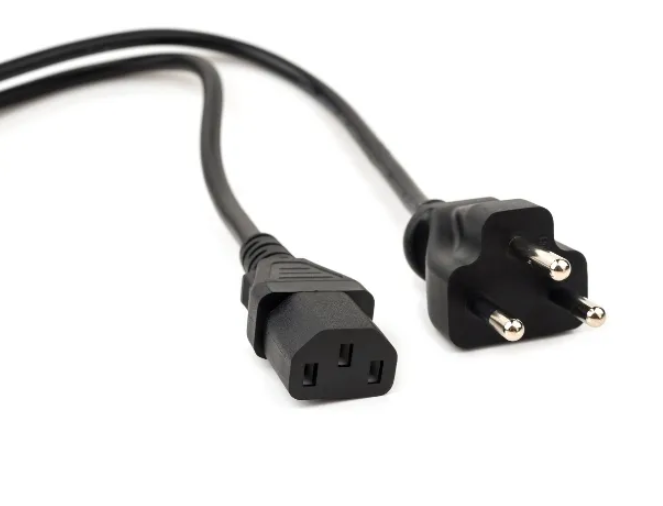
Key Takeaways:-
- Choose cords based on device needs, not appearance.
- Match cord type to home, office, or industrial use.
- Check length, placement, and connector fit carefully.
- Replace damaged cords instead of using risky fixes.
- Buy quality cords from reliable, trusted suppliers.
- FAQs
Choosing the right cord may seem like a small decision, but it can affect safety, convenience, equipment performance, and long-term reliability. Many people only think about cords when one breaks, gets lost, or fails to reach the nearest outlet. In reality, a cord should be selected with the same care as any other part of an electrical setup, especially when it supports devices used every day at home, in an office, or in an industrial workspace.
Why Cord Selection Matters
A cord is more than a simple connection between a device and a power source. It carries electricity, supports equipment operation, and helps reduce avoidable risks when it is used correctly. The wrong cord can lead to overheating, poor fit, loose connections, or unnecessary wear. A suitable power cord should match the equipment, the environment, and the expected workload, rather than being chosen only by length or appearance.
Understanding the Environment
The first step is to look at where the cord will be used. A home environment usually needs cords for appliances, computers, lamps, entertainment systems, and chargers. An office may involve desks, printers, monitors, meeting room equipment, and shared workstations. Industrial areas are different because they often include tools, machines, movement, dust, temperature changes, and heavier use. Each setting creates different demands, so one cord type is not always right for every place.
Choosing Cords for Home Use
For home use, safety and everyday convenience should come first. A cord should fit the device properly, reach the outlet without being stretched, and stay away from places where people may trip. It should not be squeezed under heavy furniture or placed where it can be damaged by doors, heat, or sharp edges. When extra reach is needed, an extension cord should be chosen carefully for the device and used only in a way that matches its intended purpose.
Choosing Cords for Office Use
In offices, cords support productivity as much as they support equipment. Computers, monitors, printers, scanners, routers, and conference devices all depend on stable connections. A neat setup also matters because tangled cords can make maintenance harder and workspaces less efficient. When selecting a power cord for office equipment, the best choice is one that fits securely, allows organized routing, and supports the device without creating clutter or strain near the outlet or connector.
Choosing Cords for Industrial Use
Industrial environments require stronger attention to durability. Cords may be exposed to movement, vibration, rough surfaces, chemicals, moisture, or repeated handling. A cord used near machinery or tools should be suitable for that environment and should not be selected casually. In these spaces, the cord must support dependable operation while also reducing downtime caused by damage, loose connections, or poor material quality. Strength, flexibility, and compatibility all become important.
Checking Length and Placement
Length is one of the most common reasons people choose the wrong cord. A cord that is too short may be stretched, pulled, or forced into an unsafe position. A cord that is too long can create clutter and become a tripping hazard if it is not managed well. The goal is to choose a length that is comfortable while staying organized. If an extension cord is needed, it should be placed where it is visible, protected, and not overloaded.
Matching the Cord to the Device
Every device has its own power requirements, connector style, and use conditions. Before replacing or buying a cord, check the device label, manual, or manufacturer guidance when available. The plug and connector should fit properly without force. The cord should also be appropriate for the expected load. A loose, damaged, or mismatched cord should not be used because it may affect performance and safety, even if the device appears to turn on normally.
Considering Flexibility and Movement
Some cords stay in one place for years, while others move every day. A stationary desktop setup may need a simple, clean connection. A workstation, tool, or movable device may need a cord that handles bending and repeated use more comfortably. Flexible cords can improve convenience in areas where equipment is moved, adjusted, or shared. However, flexibility should not replace safety, because the cord still needs to be suitable for the device and environment.
Inspecting Quality and Condition
Quality matters because cords are handled, bent, plugged in, unplugged, and sometimes exposed to demanding conditions. Before use, look for cracked insulation, bent prongs, loose connectors, exposed wires, or signs of heat damage. A cord in poor condition should be replaced rather than repaired casually. When buying a power cord, choose one from a reliable supplier that provides clear product details, proper fit information, and materials suitable for the intended setting.
Avoiding Common Mistakes
One common mistake is treating every cord as interchangeable. Another is using a temporary solution for permanent daily use. People may also connect too many devices, hide cords under rugs, or ignore damage because the equipment still works. These habits can create avoidable risk. An extension cord should be used with care, kept away from damage, and selected according to the equipment it supports rather than chosen only because it is nearby.
FAQs
What should I check before buying a cord?
Check the device requirements, connector type, cord length, usage environment, and overall cord quality before making a purchase.
Can one cord be used for every device?
No, different devices may need different cord types, ratings, connector styles, and safety features based on their power requirements.
When should a cord be replaced?
Replace a cord if it has cracked insulation, exposed wires, bent prongs, loose connectors, burn marks, or unreliable performance.
Why does the usage environment matter?
The environment affects durability, flexibility, safety, and performance, especially in offices, workshops, factories, and high-use industrial spaces.
The right cord makes daily work easier, safer, and more reliable. Choose safe, reliable cord solutions from High Tech Connections today and power your home, office, or industrial equipment with confidence. Contact us via email or by calling (614) 920-0853.
Leave a Comment