
How Extension Cords Impact Workplace Safety Compliance
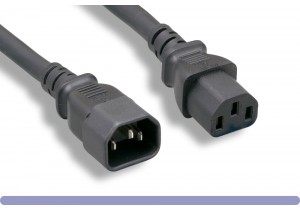
Key Takeaways:-
- Proper usage and load awareness prevent hazards and ensure regulatory alignment in daily operations.
- Routine inspections help identify damage early and reduce risks across electrical setups.
- Organized placement minimizes tripping dangers and protects equipment from unnecessary wear.
- Employee training strengthens safety culture and encourages proactive hazard reporting practices.
- Consistent maintenance and documentation support audits and improve long-term operational reliability.
- FAQs
Workplace safety is no longer just a regulatory requirement; it has become a core responsibility for organizations that care about productivity, employee well-being, and long-term sustainability. Among the many overlooked elements in workplace environments, electrical setups play a crucial role. In particular, the use of an extension cord can significantly influence safety compliance if not handled properly. While these cords provide convenience and flexibility, they can also introduce risks that organizations often underestimate until an incident occurs.
Workplace Safety Compliance in Electrical Systems
Workplace safety compliance refers to adhering to established regulations and standards designed to protect employees from hazards. Electrical safety is one of the most critical areas, as it directly affects both equipment and human life. When businesses rely on temporary wiring solutions like an extension cord, they must ensure that these solutions meet safety standards and are used correctly. Improper usage, such as overloading or using damaged cords, can easily violate compliance requirements and result in penalties or accidents.
Organizations are expected to follow strict guidelines set by regulatory authorities. These guidelines include proper installation, regular inspection, and appropriate usage of electrical equipment. Even though an extension cord is often considered a simple tool, it falls under these regulations because it directly connects to power sources and equipment. Ignoring its importance can lead to serious compliance issues.
Role of Extension Cords in Modern Workplaces
Modern workplaces depend heavily on electrical devices, from computers and printers to industrial machinery. In many cases, fixed electrical outlets are not sufficient to meet operational needs. This is where an extension cord becomes essential. It allows flexibility in workspace design and ensures that devices can be powered without major infrastructure changes.
However, this convenience comes with responsibility. Employers must ensure that extension cords are used as temporary solutions rather than permanent fixes. When used continuously without proper management, they can create cluttered workspaces and increase the risk of tripping, overheating, or electrical failure. These risks directly impact workplace safety compliance and can lead to avoidable incidents.
Common Safety Risks Associated with Improper Usage
One of the most common risks associated with electrical setups is overloading circuits. When multiple devices are connected through a single power cord, the load can exceed the cord’s capacity. This not only damages equipment but also increases the likelihood of fire hazards. Employees may not always be aware of these limits, making it essential for employers to provide clear guidelines and training.
Another major concern is physical damage. Cords that are bent, frayed, or exposed to moisture can become dangerous over time. A damaged power cord can cause electric shocks or short circuits, both of which are serious safety violations. Regular inspections are necessary to identify such issues before they escalate into accidents.
Impact on Regulatory Compliance and Inspections
Safety inspections are a routine part of maintaining workplace standards. During these inspections, authorities often check electrical systems, including temporary wiring solutions. The improper use of a power cord can result in immediate non-compliance, leading to fines or operational shutdowns. This highlights the importance of maintaining proper documentation and ensuring that all electrical equipment meets required standards.
Compliance is not just about avoiding penalties; it is about creating a safe and reliable environment. Organizations that fail to address electrical safety risks may face legal consequences, reputational damage, and decreased employee morale. By focusing on proper cord management, businesses can significantly improve their compliance status.
Best Practices for Safe Usage in the Workplace
Ensuring safety begins with selecting the right type of equipment. Not all cords are designed for the same purpose, and using the wrong one can lead to inefficiencies and hazards. Employers should invest in high-quality cords that are suitable for their specific applications. This includes considering factors such as load capacity, insulation, and durability.
Proper placement is equally important. Cords should never run across walkways or under heavy furniture, as this can cause damage and increase the risk of tripping. Additionally, they should be kept away from water sources and heat-generating equipment. By maintaining organized and well-planned setups, organizations can reduce risks and improve overall safety compliance.
Training and Awareness Among Employees
Even the best equipment cannot ensure safety if employees are not properly trained. Workers should understand how to use electrical devices responsibly and recognize potential hazards. Training programs should include information about load limits, proper handling, and the importance of reporting damaged cords.
Creating awareness also involves encouraging a culture of safety. Employees should feel responsible for maintaining a safe environment and be proactive in identifying risks. When everyone participates in safety practices, compliance becomes a shared responsibility rather than a management burden.
Importance of Regular Maintenance and Inspection
Routine maintenance is essential for preventing accidents and ensuring compliance. Employers should establish inspection schedules to check the condition of cords and other electrical equipment. This includes looking for signs of wear, testing functionality, and replacing damaged components promptly.
Documentation plays a key role in this process. Keeping records of inspections and maintenance activities demonstrates compliance during audits and inspections. It also helps organizations track recurring issues and implement long-term solutions. Regular maintenance not only enhances safety but also extends the lifespan of equipment.
Long-Term Benefits of Proper Electrical Safety Management
Investing in electrical safety management provides long-term benefits that go beyond compliance. A safe workplace reduces the risk of accidents, leading to fewer disruptions and lower costs. It also improves employee confidence and productivity, as workers can focus on their tasks without worrying about potential hazards.
Moreover, organizations that prioritize safety often gain a competitive advantage. Clients and partners are more likely to trust businesses that demonstrate a commitment to high standards. By managing electrical systems effectively, companies can build a strong reputation and achieve sustainable growth.
FAQs
What is workplace safety compliance in electrical systems?
It refers to the following safety regulations that ensure electrical equipment is used, maintained, and inspected properly to prevent hazards and accidents.
Why are temporary wiring solutions considered risky?
They are often misused as permanent setups, which can lead to overloading, damage, and increased chances of electrical failures.
How often should electrical equipment be inspected?
Regular inspections should be scheduled periodically, depending on usage, to detect wear and ensure safe functionality.
What is the biggest mistake businesses make with electrical safety?
Ignoring maintenance and employee training is the most common issue, leading to preventable accidents and compliance violations.
Extension cords are an integral part of modern workplaces, offering flexibility and convenience. Upgrade your electrical solutions today with High Tech Connections for reliable, safe, and durable products designed to meet professional workplace standards. Contact us via email or by calling (614) 920-0853.
Leave a Comment