
How to Choose the Right Detachable Cordset for Your Equipment
Key Takeaways:-
- Correct specifications ensure safe performance and prevent overheating, failures, and long-term damage.
- Matching voltage, current, and connectors improves compatibility and ensures smooth operation.
- Quality materials and certifications boost durability and meet safety standards.
- Proper length and flexibility enhance usability without affecting performance.
- Regular maintenance and timely replacement improve lifespan and reliability.
- FAQs
Selecting the correct detachable cordset for your equipment is more important than many people realize. A poor choice can affect performance, safety, and even the lifespan of your devices. On the other hand, the right decision ensures efficiency and reliability in both home and industrial environments. In today’s fast-paced technological landscape, where equipment varies greatly in design and power requirements, understanding how to select a suitable detachable cordset becomes essential for anyone working with electrical systems or appliances.
What a Detachable Cordset Is
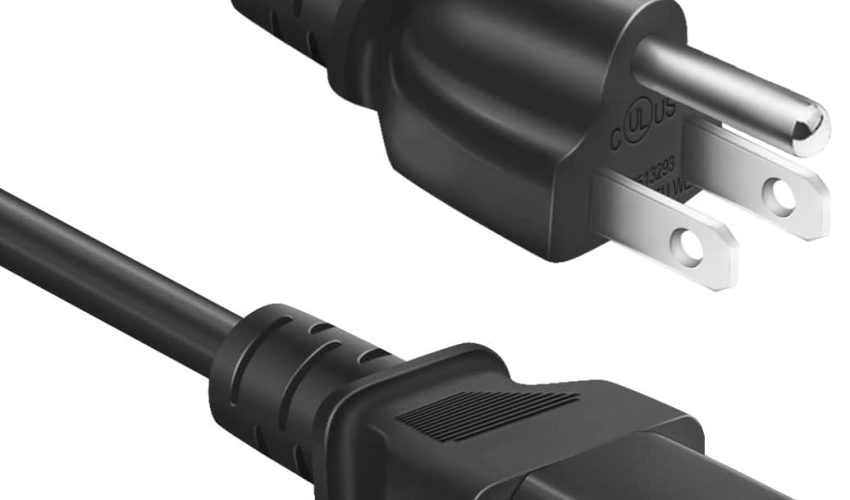
A detachable cordset is a power cable that can be easily connected and disconnected from equipment without requiring tools. Unlike fixed cables, these cordsets offer flexibility and convenience. They are commonly used in computers, medical devices, industrial machines, and consumer electronics. The primary purpose of a detachable cordset is to allow users to replace or upgrade cables without changing the entire device, which makes maintenance simpler and more cost-effective over time.
Why Choosing the Right Cordset Matters
Choosing the right cordset is not just about compatibility. It also involves safety, durability, and performance. A mismatched cord can lead to overheating, voltage drops, or even equipment failure. In many industries, especially healthcare and manufacturing, the wrong connection can result in serious risks. A properly selected power cord ensures stable power delivery and reduces the chances of electrical hazards. Therefore, making an informed choice is a necessity rather than an option.
Identifying Your Equipment Requirements
Before selecting a cordset, it is crucial to understand the specifications of your equipment. Every device has unique voltage, current, and connector requirements. Carefully reviewing the manufacturer’s guidelines helps avoid compatibility issues. When you match these specifications correctly, your detachable cordset will function efficiently without placing unnecessary strain on the system. Ignoring these requirements often leads to reduced performance and potential damage over time.
Considering Voltage and Current Ratings
Voltage and current ratings are among the most important factors when choosing a cordset. Each cable is designed to handle a specific range, and exceeding these limits can be dangerous. A cord that cannot handle the required load may overheat, posing a fire risk. Selecting a cord with appropriate ratings ensures that your equipment receives consistent and safe electrical flow. This is especially crucial in environments where equipment operates continuously for long hours.
Evaluating Connector Types and Compatibility
Connector types vary depending on the region and the type of equipment. Some devices require specific plug configurations, while others may follow international standards. Ensuring compatibility between the connector and the equipment inlet is essential for proper operation. A well-matched cordset provides a secure connection, minimizing the risk of accidental disconnection or power interruptions during use.
Importance of Cable Length and Flexibility
Cable length is another factor that often goes overlooked. A cord that is too short may limit placement options, while an excessively long cable can create clutter and increase resistance. Finding the right balance is key to maintaining both efficiency and organization. Additionally, flexibility plays a significant role, especially in environments where cables are frequently moved or adjusted. A durable power cord with good flexibility enhances usability without compromising performance.
Assessing Build Quality and Materials
The quality of materials used in a cordset directly impacts its durability and safety. High-quality insulation protects against wear, heat, and environmental factors. Poorly constructed cables may degrade quickly, leading to frequent replacements and increased costs. Investing in a reliable detachable cordset made from robust materials ensures long-term performance and reduces maintenance needs, making it a practical choice for both personal and professional use.
Safety Standards and Certifications
Safety certifications indicate that a cordset has been tested and meets established standards. These certifications vary by region but generally ensure that the product complies with electrical safety guidelines. Using certified cables reduces the risk of accidents and ensures compliance with regulations. A certified power cord provides peace of mind, especially in critical applications where safety cannot be compromised.
Environmental Considerations and Usage Conditions
Different environments require different types of cordsets. For example, industrial settings may demand cables that can withstand high temperatures, moisture, or mechanical stress. In contrast, office or home environments may prioritize flexibility and aesthetics. Selecting a detachable cordset suited to the specific conditions ensures optimal performance and longevity. Understanding where and how the cable will be used helps in making a more informed decision.
Maintenance and Replacement Considerations
Regular inspection and maintenance of cordsets are essential to ensure continued safety and performance. Over time, even high-quality cables can show signs of wear, such as fraying or discoloration. Replacing a worn-out power cord promptly prevents potential hazards and maintains the efficiency of your equipment. Proper care and timely replacement extend the overall lifespan of both the cable and the connected devices.
Cost vs Value in Cordset Selection
While cost is an important factor, it should not be the only consideration. Cheaper options may save money initially, but often result in higher long-term costs due to frequent replacements and potential equipment damage. Investing in a high-quality detachable cordset provides better value by offering durability, safety, and consistent performance. Balancing cost with quality ensures that you make a practical and reliable choice.
FAQs
What is the main advantage of a detachable cordset?
A detachable cordset offers flexibility and easy replacement, allowing users to change cables without replacing the entire device, which saves cost and time.
How do I know which cordset is compatible with my device?
You should check your device specifications, including voltage, current rating, and connector type, to ensure the cordset matches perfectly.
Are certified cordsets really necessary?
Yes, certified cordsets meet safety standards and reduce risks such as electrical shocks, overheating, and equipment failure in critical applications.
How often should I replace a power cord?
You should replace a power cord when you notice wear, damage, or reduced performance to maintain safety and efficiency.
Selecting the right cordset involves a combination of understanding technical requirements, evaluating quality, and considering usage conditions. Upgrade your connectivity with High Tech Connections today. Explore premium cordsets, ensure safety, and boost performance with trusted, high-quality solutions. Contact us via email or by calling (614) 920-0853.
Leave a Comment